
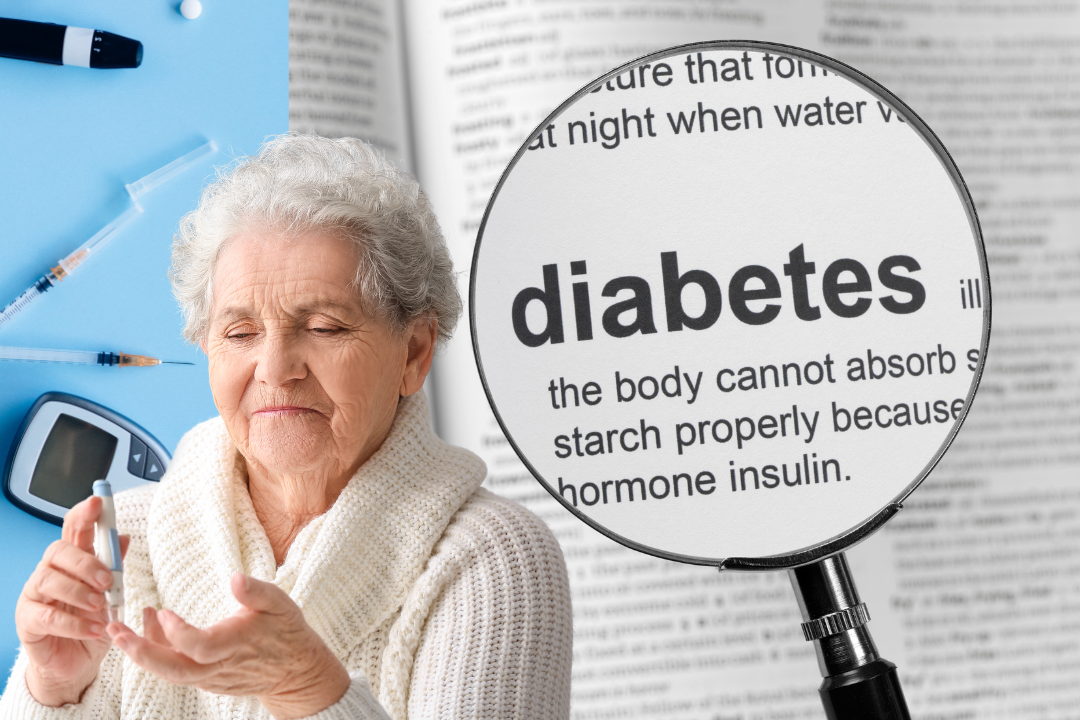
Diabetes is a widespread health issue impacting millions globally, with a particularly profound impact on the elderly. Diabetes becomes more prevalent with older age, presenting unique challenges when managing the condition, based on studies conducted by the World Health Organization (WHO).
We need a detailed guide on diabetes in older people, including what causes it, its symptoms, how to manage it, and ways to adjust lifestyle to improve quality of life. We need a comprehensive guide on diabetes in elderly individuals, covering causes, symptoms, management strategies, and lifestyle to improve their health and wellness.
Unraveling Diabetes: Types and Cause
People develop diabetes when their body is unable to secrete adequate insulin or use it effectively. Insulin is essential for regulating blood sugar (glucose) levels, which fuel the body’s cells. Two main types of diabetes commonly affect the elderly:
- Type 1 Diabetes. This autoimmune disease makes the body attack the insulin-producing cells in the pancreas. It’s less common in older adults.
- Type 2 Diabetes: The most common form of diabetes occurs when the body becomes insulin resistant, or the pancreas cannot produce enough insulin. This type is especially prevalent in older people due to age-related changes in metabolism.
Key Causes of Diabetes in the Elderly:
- Aging Process: Insulin sensitivity decreases with age, and metabolic processes slow down, leading to higher blood sugar levels.
- Genetics: A family history of diabetes significantly increases the risk.
- Sedentary Lifestyle: Reduced physical activity contributes to weight gain and poor blood sugar control.
- Poor Diet: When we consume high amounts of processed foods, sugars, and unhealthy fats, our bodies gain weight and become insulin-resistant.
- Medications: Certain medications used by the elderly, such as steroids and antipsychotics, can elevate blood sugar levels.
Symptoms of Diabetes in Older Adults
Recognizing diabetes in the elderly can be tricky because some symptoms may overlap with normal aging or other health conditions. However, common symptoms of diabetes include:
- Frequent urination (polyuria)
- Increased thirst (polydipsia)
- Unexplained weight loss
- Fatigue and weakness
- Blurred vision
- Slow-healing wounds
- Tingling or numbness in the hands and feet (diabetic neuropathy)
In older adults, other signs such as confusion, dizziness, or frequent infections can also be indicators of diabetes. Therefore, regular medical check-ups and monitoring of blood glucose levels are crucial for early detection and management.
Complications of Diabetes in the Elderly
Diabetes can lead to serious health complications, especially in older adults, if left unmanaged. Remember, “These complications can significantly impact quality of life and may worsen existing health conditions.”
Common Diabetes-Related Complications:
- Cardiovascular Disease: People with diabetes risk developing heart diseases and high blood pressure.
- Kidney Disease (Nephropathy): Uncontrolled diabetes can lead to kidney damage, ultimately resulting in kidney failure.
- Eye Problems (Retinopathy): High blood sugar can harm the blood vessels in the eyes, which may lead to vision loss.
- Nerve Damage (Neuropathy): Diabetic neuropathy can cause pain, numbness, and muscle weakness, primarily in the lower limbs.
- Foot Problems: Foot ulcers, infections, and amputations result from poor circulation and nerve damage.
- Cognitive Decline: As suggested by studies, there is a higher risk for older people with diabetes to develop dementia, including Alzheimer’s disease.
The risk of these complications highlights the importance of managing diabetes effectively in elderly patients.
Management Strategies for Elderly Diabetics
Managing diabetes in older adults involves more than just controlling blood sugar levels; it requires a holistic approach to overall health. Here are key management strategies:
- Monitoring Blood Sugar Levels
Regular blood glucose monitoring helps track sugar levels and avoid dangerous highs (hyperglycemia) and lows (hypoglycemia). Elderly individuals or their caregivers should work with healthcare providers to establish a monitoring schedule that fits their lifestyle.
- Medication Management
Many elderly diabetics require medications to control their blood sugar levels, including:
- Oral Medications: Metformin is a commonly prescribed drug that helps to reduce glucose production in the liver.
- Insulin Therapy: Some elderly patients may require insulin injections if their body cannot produce enough insulin naturally. Elderly individuals and caregivers must manage medications properly, as missed doses or incorrect usage can lead to blood sugar imbalances.
- Healthy Diet
Elderly adults managing diabetes should focus on a balanced diet. A healthy diabetic diet typically includes:
- Whole Grains: Brown rice, oats, and whole-wheat products to stabilize blood sugar levels.
- Fruits and Vegetables: Rich in fibre, vitamins, and minerals, they help regulate glucose absorption.
- Lean Proteins: Chicken, fish, and plant-based proteins support muscle mass and energy levels.
- Healthy Fats: Nuts, seeds, and olive oil contribute to heart health. Elderly individuals should avoid sugary snacks, processed foods, and excessive carbohydrates.
Exercise and Physical Activity
Regular exercise is important for maintaining insulin sensitivity and lowering blood sugar levels. Light forms of exercise such as walking, swimming, or yoga can be beneficial for older individuals. Physical activity can enhance cardiovascular health, improve mobility, and boost mental well-being. It is advisable to consult with a healthcare provider before starting any new exercise regimen.
Weight Management
Elderly individuals with diabetes must maintain a healthy weight. Being over eight can worsen insulin resistance and increase the risk of complications, so seniors should focus on gradual, sustainable weight loss through diet and physical activity, if necessary.
Stress Management
Chronic stress raises blood sugar levels by releasing cortisol. Elderly individuals may experience stress due to isolation, loss of independence, or health issues. Stress reduction and enhanced diabetes management can be achieved through meditation and deep breathing exercises.
- Role of Caregivers in Diabetes Management
For many elderly individuals, managing diabetes can be overwhelming, especially if they have other health conditions. Caregivers play an essential role in supporting diabetes management. Their responsibilities may include:
- Assisting with medication management and administration.
- Monitoring blood sugar levels and recognizing symptoms of high or low blood sugar.
- Helping with meal preparation and ensuring adherence to dietary recommendations.
- Encouraging physical activity.
- Attending medical appointments and communicating with healthcare providers.
Caregivers should also be aware of the emotional and psychological needs of elderly diabetics. Depression and anxiety are common in individuals managing chronic conditions, and a strong support system can greatly improve their mental health.
2. Prevention and Early Detection
Although diabetes is a lifelong condition, there are ways to prevent or delay its onset, especially in elderly individuals at risk for Type 2 diabetes. Key preventive measures include:
- Regular Physical Activity: Moderate exercise for at least 30 minutes a day.
- Healthy Eating Habits: Focusing on nutrient-dense foods that promote stable blood sugar levels.
- Routine Health Screenings: Regular check-ups for blood sugar levels, cholesterol, and blood pressure can detect diabetes early, allowing prompt intervention.
Weight Control: Maintain a healthy weight to lower the risk of Type 2 diabetes.
3. Living Well with Diabetes in Old Age
With proper management, elderly individuals with diabetes can live healthy, fulfilling lives. Key aspects of living well with diabetes include:
- Staying Informed: Knowing more about diabetes and how it affects the body helps individuals make informed decisions about their health.
- Building a Support System: A support network, whether through family, friends, or a healthcare team, can make managing diabetes easier.
- Maintaining an Active Lifestyle: Regular physical activity helps control diabetes and promotes overall physical and mental health.
- Prioritizing Mental Health: Managing a chronic condition can be stressful, so it’s important to prioritize mental well-being through relaxation, hobbies, and social connections.
Conclusion
Managing diabetes in the elderly requires a comprehensive approach that addresses the condition’s physical and emotional aspects.
Following proper medical guidance, adopting a healthy lifestyle, and involving caregivers can help elderly diabetics effectively manage their condition and maintain their quality of life.
Regular monitoring, a balanced diet, and physical activity are essential in preventing complications and ensuring long-term health.