
Technology continues transforming our lives, including social care services, through essential advertising and promotion on social media.
There’s been a significant shift from traditional newspaper ads and brochures to the dynamic world of social media. This change has made promoting healthcare services more accessible and effective.
Social care providers can use social media for advertising and creating a community around their services. Engaging with this community is not just a strategy but a way to raise awareness, build trust, and establish credibility.
Embracing technology and digital platforms is essential to stay competitive in today’s healthcare landscape.
Social media platforms are crucial for engaging potential clients in the healthcare sector. They offer transparency through user reviews, helping clients assess care service reliability.
Maintaining an active presence on social media is essential for healthcare businesses to attract clients and build strong connections. This boosts the reputation and visibility of healthcare services, earning trust and loyalty from clients.
Furthermore, technology creates opportunities for aspiring healthcare workers to secure employment, facilitating easy application processes through online platforms. This progress ensures the accessibility of trusted professionals for individuals seeking healthcare services.
Technology is vital in advancing healthcare quality and upgrading the equipment required for patient care. This innovation significantly aids in monitoring the health status of patients.
Here are basic examples showing how technology helps social care services:
1. **Communication and Accessibility**: Technology has significantly improved communication between patients and caregivers. Mobile apps and telehealth platforms enable instant contact, allowing for quick consultations and emergency responses without the need for long waits or travel.
2. **Improved Monitoring and Tracking**: Thanks to wearable devices and remote monitoring systems, healthcare providers can keep track of patients’ vital signs, medication adherence, and general health status remotely. This innovation supports early detection of health issues and the creation of personalized care plans.
3. **Streamlined Administrative Tasks**: Electronic health records (EHRs) and digital platforms automate many administrative duties in healthcare, such as scheduling, billing, and documentation. This efficiency allows caregivers to invest more time in patient care.
4. **Consultations and Follow-ups**: The growing popularity of telemedicine facilitates consultations, follow-ups, and non-emergency healthcare services via video conferencing, ensuring patients can receive medical attention from the comfort of their homes.
5. **Enhanced Safety and Peace of Mind**: Remote monitoring systems provide continuous supervision for patients, particularly beneficial for those living alone or with chronic conditions. Alerting caregivers to emergencies or unusual signs offers additional safety and reassurance.
6. **Remote Rehabilitation Tools**: Virtual exercise programs and rehabilitation gadgets allow patients to undergo therapy at home, promoting quicker recovery from injuries or illnesses without needing clinic visits.
7. **Medication Management Apps**: These apps help patients manage their medication schedules, reminding them to take their pills and alerting them when refills are needed.
8. **Nutrition and Diet Apps**: Personalized nutrition plans and meal monitoring via apps support individuals in improving their eating habits and meeting their health goals.
9. **Online Support Communities**: Digital platforms and social media groups connect patients, caregivers, and healthcare professionals, providing a space for support, experience sharing, and accessing health resources.
10. **Virtual Reality Experiences**: VR technologies offer innovative pain management and cognitive therapy solutions by creating immersive environments for distraction during procedures or rehabilitation for brain injuries.
11. **Advanced Diagnostics Tools**: AI algorithms and advanced imaging technologies enhance diagnosis precision and speed, leading to quicker, more effective treatments and reduced patient uncertainty.
12. **Personal Health Records**: Patients can actively manage their health data through platforms that consolidate their medical records, lab results, and health history, improving healthcare involvement and information exchange with providers.
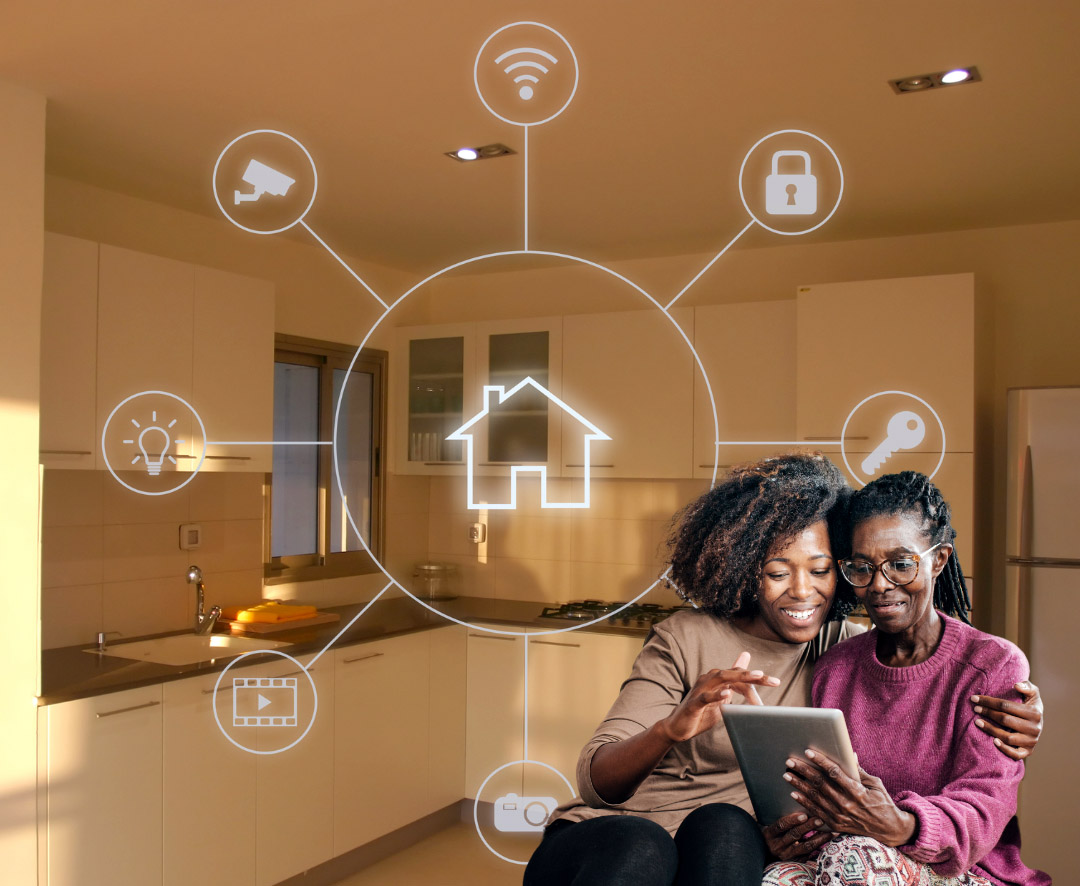
13. **Smart Home Technologies**: Health monitoring integrated with smart home tech creates safer living environments for the elderly and those with special needs by introducing fall detection and voice-activated assistance.
14. **Genetic Testing and Personalized Medicine**: Direct-to-consumer genetic testing provides valuable insights into one’s health predispositions and medication responses, heralding an era of treatment and prevention strategies tailored to individual genetic profiles.
15. **Cloud-Based Collaboration**: Cloud platforms enable healthcare professionals to collaborate more efficiently, engaging in real-time multidisciplinary discussions and case reviews, even from remote locations, which enhances patient care coordination and treatment outcomes.
Online communities empower individuals to navigate their health journeys effectively and find the necessary support through peer support and communication.
Technology helps healthcare professionals work together better, creating more robust patient treatment plans. This makes social care services more effective and gives patients and families peace of mind.
As these technologies evolve, they promise a future where healthcare is more personalized, efficient, and inclusive, ultimately leading to better health outcomes and enhanced well-being for individuals across the globe.
Looking ahead, technology offers limitless possibilities for care services. From smart care plans to virtual reality treatments, innovation is shaping a future where care services and home care aren’t just a service—it’s a source of hope and empowerment for everyone involved. Embracing these advances promises a brighter future for social care services.